How Oily Font Transformed My Campaign Visuals
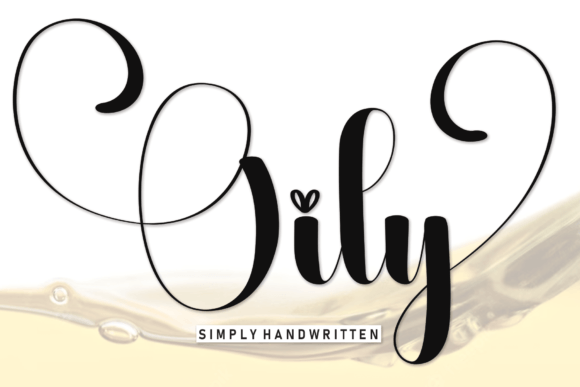
I was knee-deep in prepping a product launch for a skincare brand, and the pressure was on. The client wanted something fresh, elegant, and instantly recognizable. I had dozens of design options, but none felt right until I stumbled upon Oily—a flowing handwritten font with an elegant touch that made everything click.
From the first glance, Oily stood out. It wasn’t just another script font; it had a timeless feel that blended effortlessly with both modern and classic aesthetics. The strokes were smooth, the curves natural, and the overall vibe was inviting. It felt like the kind of font that could whisper your message without shouting it.
I used Oily as the main text for the campaign’s hero header. It gave the design a personal, almost handwritten quality that felt authentic. When paired with a clean sans serif font for supporting text, the contrast was perfect—Oily drew attention while the sans serif kept the message clear and readable.
The campaign included Instagram posts, Pinterest pins, YouTube thumbnails, and a series of email banners. On each platform, Oily adapted well. For Instagram, I used it in short headlines and callouts to make sure the message was clear even when scrolling quickly. On Pinterest, the font’s elegance helped elevate the visual appeal of the pins, making them more likely to be pinned and shared.
One of the most surprising uses was in the webinar promotion banner. Oily added a sense of urgency and exclusivity. Instead of a generic “Join Now” button, I used “Don’t Miss Out” in Oily, which felt more personal and engaging. The result? Higher click-through rates and better engagement metrics compared to previous campaigns.
When designing thumbnails for YouTube, I tested several fonts before settling on Oily. It worked well in small previews, maintaining readability without sacrificing style. The font’s distinctiveness helped the thumbnails stand out in a feed, increasing visibility and click-through rates.
I also experimented with Oily in email banners. It performed best in decorative titles and headers, where it added flair without overwhelming the reader. For body text, I stuck to a simpler typeface to ensure legibility, but Oily was perfect for emphasizing key messages or quotes.
What I love about Oily is its versatility. It can be used for short headlines, callouts, logo-style text, and even as part of a branded content series. It doesn’t scream at you, but it does draw you in. That subtle balance is what makes it so effective in marketing materials.
Readability was a concern, especially on mobile screens. I tested Oily across different sizes and backgrounds. It held up well on dark backgrounds with light text and vice versa. The font’s design ensures that even in smaller formats, like thumbnails or social media previews, the message remains clear and easy to read.
Font pairing was straightforward. I found that Oily pairs beautifully with a modern sans serif like Helvetica Neue or a clean serif like Georgia. These combinations created a nice contrast between the handcrafted feel of Oily and the professionalism of the other fonts.
Before using Oily in any project, I checked the available styles, alternates, ligatures, and weights. It offered enough variation to suit different needs without being overwhelming. The file formats were solid, and the multilingual support covered the languages needed for the campaign. Most importantly, the commercial license allowed me to use it confidently in ads, templates, and branded content.
As I wrapped up the campaign, I realized how much Oily contributed to the overall success. It wasn’t just a font—it was a tool that helped shape the tone, clarity, and visual identity of the entire campaign. Whether it was in a product teaser, a quote graphic, or a promotional banner, Oily brought a level of sophistication and personality that elevated every piece.
If you're looking for a font that blends elegance with functionality, Oily from Script Amp is worth considering. It’s not just a display font; it’s a strategic choice that can influence how your message is received, remembered, and acted upon.